
The DeepSeek Harness Team: Who Builds dsh, and How They Hire
The software behind DeepSeek Harness was not built by the model researchers who made DeepSeek famous — it came from a separate product team assembled inside the company in May 2026 with one brief: build a desktop coding agent that can stand next to Claude Code. The team is led by Cui Tianyi, works out of Hangzhou and Beijing, and has been hiring continuously since June 2026.
DSH Field Guide is an independent community resource. It is not affiliated with, endorsed by, or operated by DeepSeek — “DeepSeek” and “DeepSeek Harness” are trademarks of their owner. We are also not a recruiting agency: we do not maintain job listings and we do not accept applications. Everything below is a summary of public statements, and any application should go through DeepSeek’s own official channels.
What the Harness Team Actually Builds
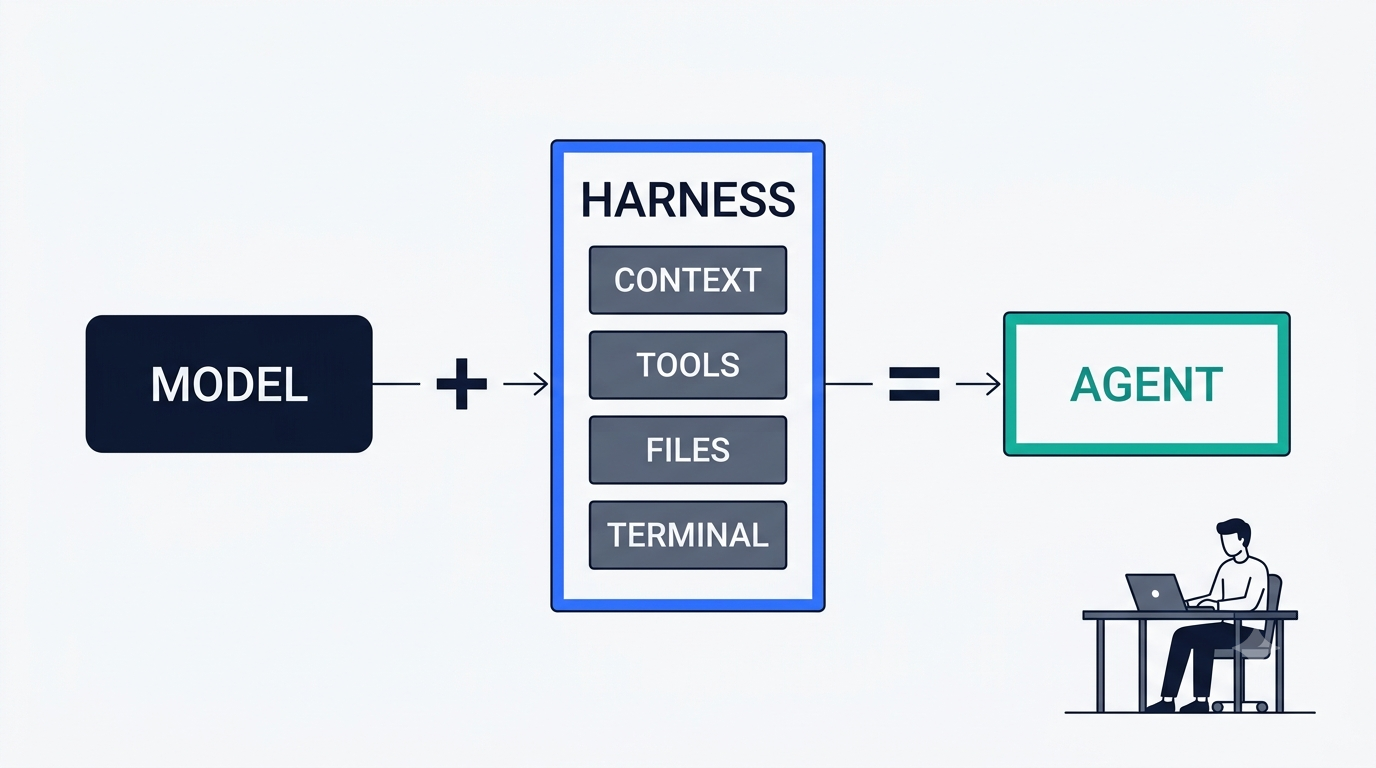
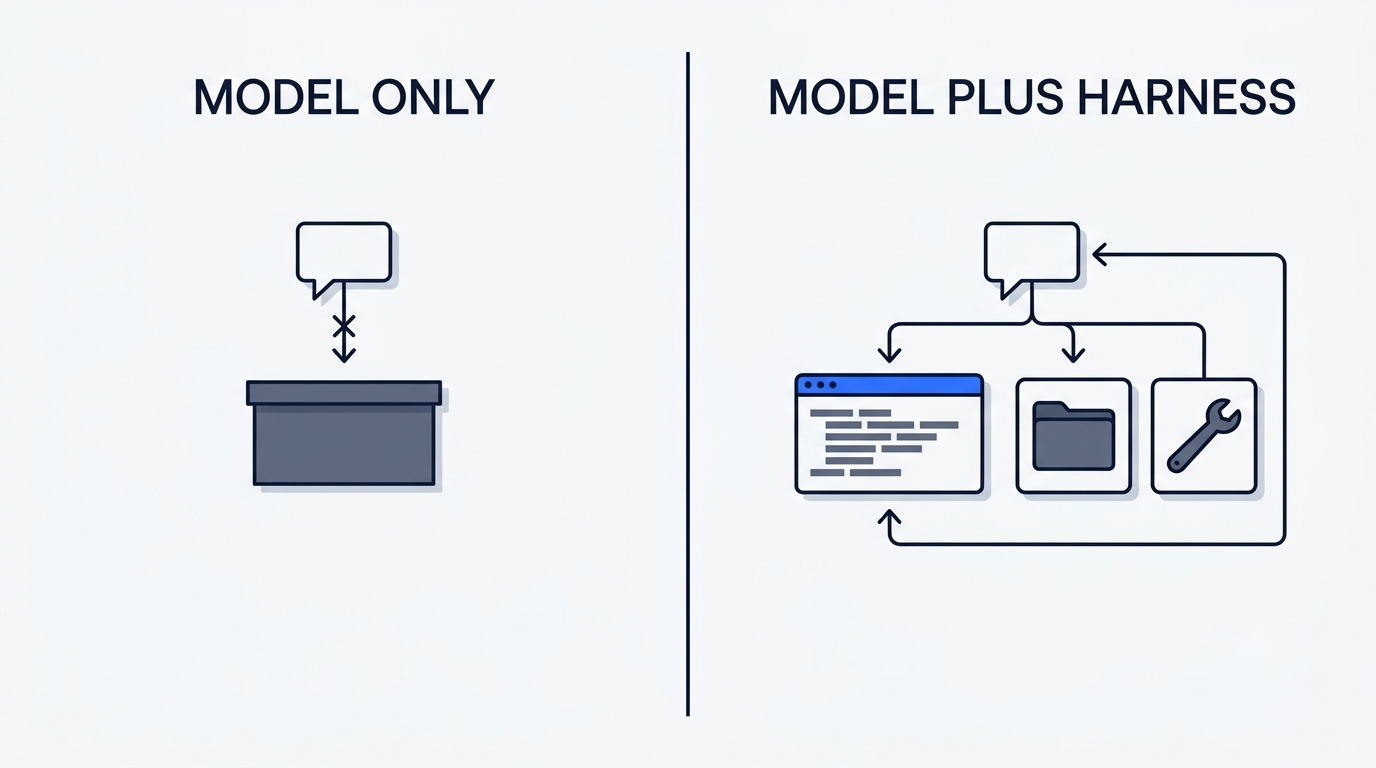
DeepSeek’s own hiring announcement describes the agent harness team’s work with a formula: Model + Harness = Agent. A language model on its own can only produce text. The harness layer is everything wrapped around it — a working directory, a terminal, file read and write access, tool calls, memory of prior steps, and the ability to look at its own mistake and try again. Without that layer, a model is a conversation partner; with it, the model becomes something that can actually do the job.
The “model steering layer,” in plain words
In its recruiting material, DeepSeek calls the harness a 模型驾驭层 — literally a “model steering layer.” Translated into plainer terms: the model handles reasoning and text generation, while the harness decides what the model gets to see, which tools it can call, and how its output turns into a file edit or a terminal command. That is the whole point of the Model + Harness = Agent formula — a model by itself never touches a file system. dsh, the team’s product, is written in TypeScript, released under the MIT license, and built around an “everything is a plugin” architecture, so most of the agent’s behavior can be swapped out rather than hardcoded.
Why it needed its own team
Before May 2026, DeepSeek was known for open-weight models, not for the tooling wrapped around them — that gap got filled by outside developers instead. An independent project called DeepSeek-TUI picked up more than 25,000 GitHub stars within its first few weeks, built by people who had no connection to DeepSeek itself. There was no internal team responsible for turning the models into a finished coding agent. Catching up to the agent harness that Anthropic ships with Claude Code was never a modeling problem — it needed product people, interface work, and plugin design, which is why DeepSeek stood up a dedicated group instead of leaving it to the model researchers.
Timeline: From a Post on X to a Public Release
March to May 2026 — the team forms
Cui Tianyi joined DeepSeek in March 2026 to take charge of the new agent harness effort. On 20 May 2026, senior researcher Chen Deli posted on X that the company was assembling a new Harness team and building a code harness from scratch. By the end of May the team existed inside the company, with a goal stated plainly from the start: a desktop coding agent that could compete with Claude Code.
June to August 2026 — hiring, then shipping
Public online recruiting opened on 21 June 2026. On 31 July, harness-style capabilities first shipped inside the official DeepSeek V4 release — still without a standalone product or open source code. On 2 August, the team invited authors of existing open agent harness projects into a closed beta, asking specifically for a GitHub profile and visible prior work; by the count given in Chinese-language coverage, that post drew 1,117 responses. An official WeChat account, “DeepSeek Harness (工具框架),” registered on 11 August.
| Date (2026) | Milestone |
|---|---|
| March | Cui Tianyi joins DeepSeek, leads the new harness effort |
| 20 May | Chen Deli announces the team on X |
| 21 June | Public online recruiting opens |
| 31 July | Harness capabilities ship inside DeepSeek V4 |
| 2 August | Closed beta invite to open-source harness authors, 1,117 replies reported |
| 11 August | Official WeChat account registered |
| 13 August | dsh v0.1 Developer Preview released, alongside GA of DeepSeek-V4-Pro-0813 |
The public release landed on 13 August 2026: dsh v0.1, labeled a Developer Preview, shipped the same day as the general availability of DeepSeek-V4-Pro-0813. One clarification is worth making, because Chinese-language writeups don’t always agree on it: some coverage cites 14 August as the date the code opened up, which is actually the timestamp of the earliest commit visible in the public repository’s history. The release date, as DeepSeek itself communicated it, is 13 August.
Who Leads the Team
Cui Tianyi
According to Chinese business press, Cui Tianyi (崔添翼, also romanized as Tianyi Cui) studied computer science at Zhejiang University and won six gold medals at regional ACM contests in Asia before spending nine years at Jane Street and co-founding TSY Capital. He joined DeepSeek in March 2026 to lead the agent harness direction. One detail English-language coverage rarely connects: the same Tianyi Cui appears among the authors of an arXiv preprint on Cordis, the architecture dsh is reportedly built on — meaning the person running hiring is also one of the people who designed the system underneath it.
“I interview every day”
In June 2026, Cui Tianyi said publicly that the team could not find people fast enough.
I interview candidates every day and post recruitment ads across every platform.Cui Tianyi, June 2026 — quoted (translated from Chinese) by Cailian Press and Sina Finance
Interviews running daily, ads posted everywhere, and the roles still open — that is the picture Cui Tianyi described of hiring for the dsh harness team roughly a month after public recruiting began.
The Three Roles
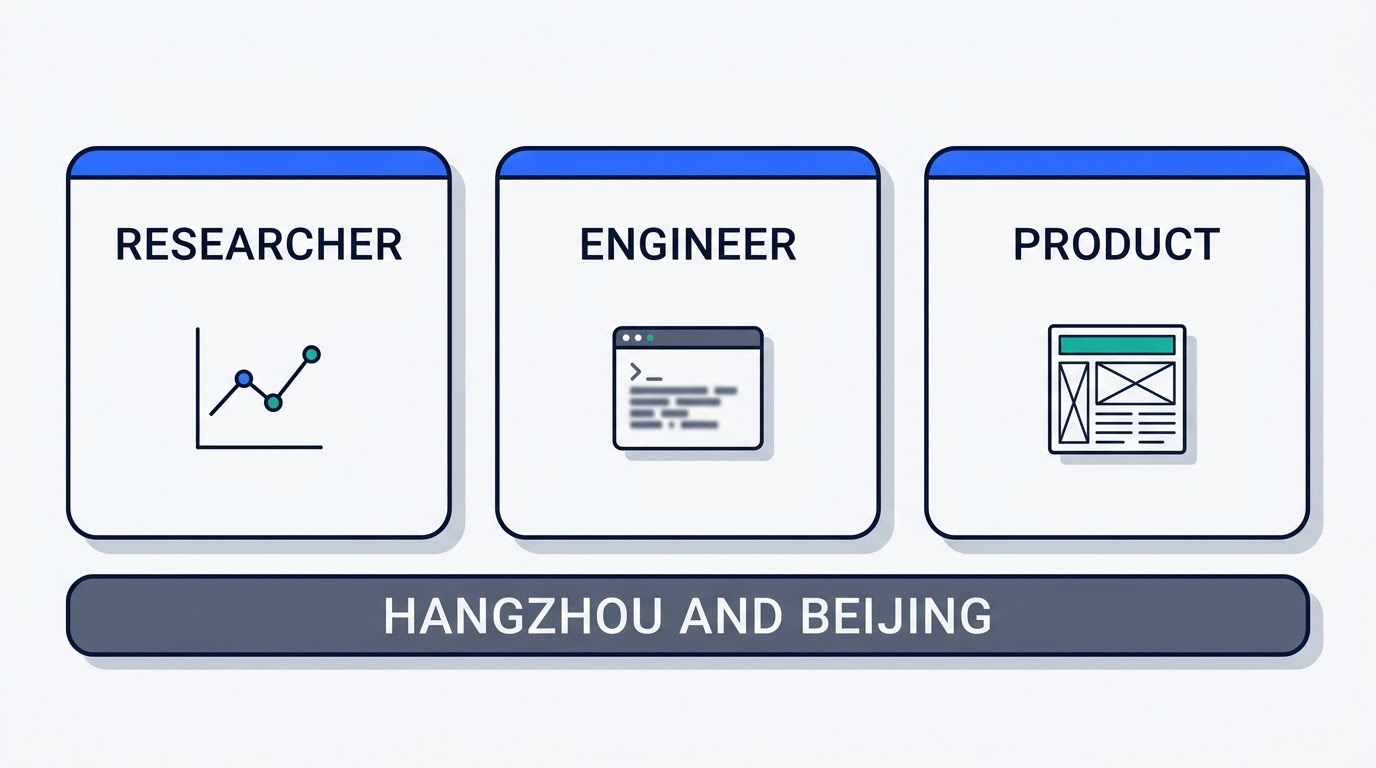
Agent Harness researcher. This role studies how a model behaves inside an agent loop — how it uses context, when it goes wrong, and how the harness should compensate. It sits closer to the model side of the Model + Harness = Agent formula than to product engineering.
Engineer. This is the role that actually builds dsh: the runtime, the plugin system, the terminal and file-access layer. According to job postings reported by Chinese outlets, DeepSeek asks for two or more years of experience, a bachelor’s degree or above, hands-on experience as an active user of coding agents, and a working understanding of LLM fundamentals — the API surface, KV cache, and the agent loop itself.
Product manager. This role owns the product surface: interface, workflows, the day-to-day experience of using dsh. Postings describe a need for what’s often called “vibe coding” comfort, a feel for UI and UX, and an understanding of how LLMs and agents actually behave — not a formal computer science background as such.
There is no stated requirement tied to a specific degree program or university, and adjacent experience is explicitly welcomed in the postings — a detail worth spelling out, since it’s the exact question most readers bring to this page.
Internships and how the process runs
An internship track exists for the researcher and engineer roles; the product manager role, by contrast, is listed as full-time only. According to Chinese press coverage, the selection process runs through one written assignment followed by three rounds of interviews, with the final round conducted by Cui Tianyi himself. Before applying to a role like this, it helps to actually spend time with dsh harness and understand what the product does day to day, rather than only reading the job description.
Where the Team Works
Hangzhou and Beijing
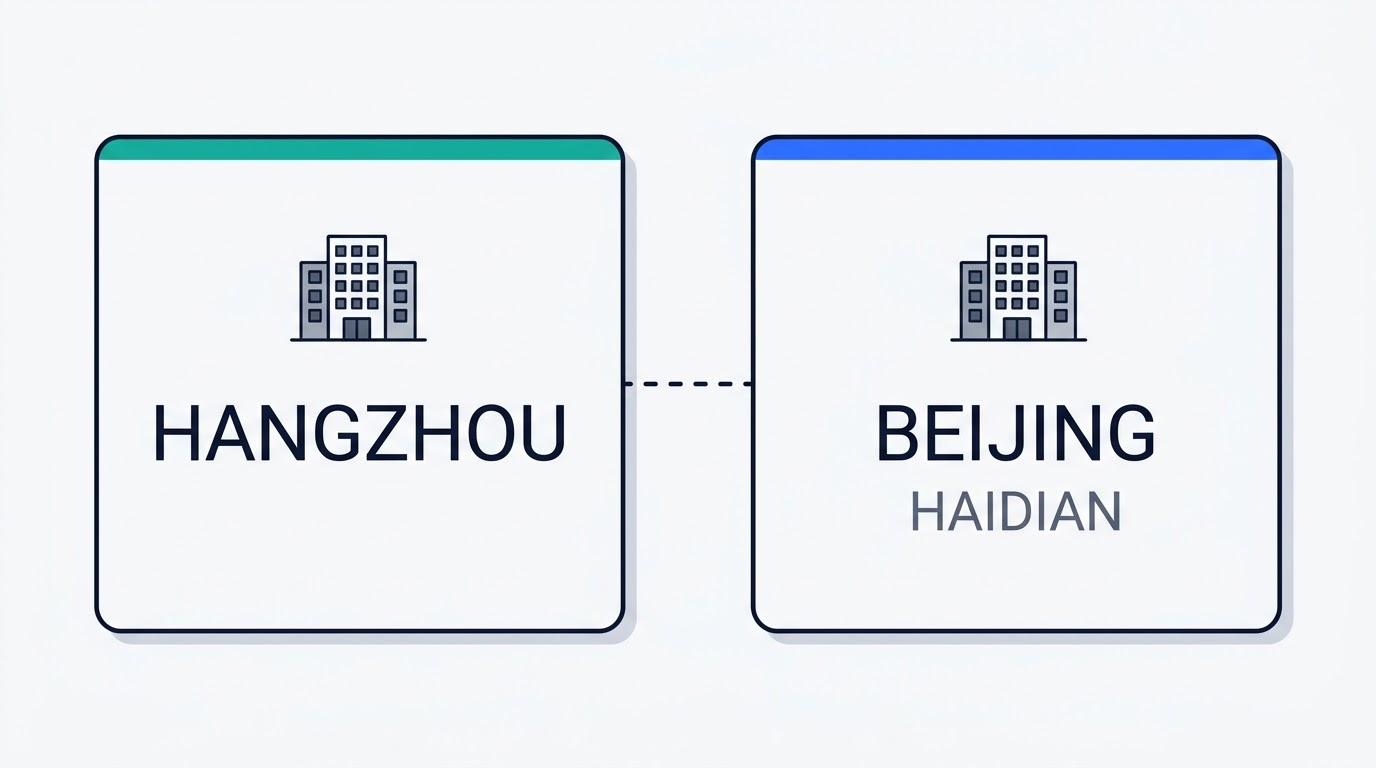
The team is split across two cities. Hangzhou is DeepSeek’s historical home base. The Beijing office sits in Haidian district, at Raycom Info Tech Park. Some of the earliest English-language coverage mentioned only Beijing, because the first two postings that circulated were Beijing-based; Chinese-language sources and the company’s own careers portal list both cities. No remote-work option is stated in any posting.
Do They Hire Foreigners?
The rumour and the answer
A rumor spread in June 2026 that DeepSeek was not hiring non-Chinese candidates for the harness team, triggered by a line in the job posting asking for good communication ability in Chinese. Cui Tianyi addressed it publicly and directly: nationality is not a barrier, language is — candidates need to be able to work in Chinese. The same statement also put down a second rumor, that the team hired only from Tsinghua, Peking University, and Zhejiang University.
To be honest about what isn’t public: there is no published statement on visa sponsorship or relocation support, so that question needs to go to DeepSeek directly, not to a third-party guide like this one.
The Three Roles Compared
| Role | Track | Core focus |
|---|---|---|
| Agent Harness researcher | Full-time + internship | Model behavior inside the agent loop |
| Engineer | Full-time + internship | dsh runtime, plugins, tooling |
| Product manager | Full-time only | Interface, UX, product workflows |
Why This Team Matters Beyond Hiring
Money, and a clause about poaching
The mass hiring push followed money. According to Chinese business press, DeepSeek closed its first external funding round above 50 billion yuan (roughly $7.4 billion) in June 2026, with reported investors including Tencent, JD.com, NetEase, and CATL — figures that come from press coverage, not from DeepSeek itself, so they should be read with that caveat. One detail stands out: the investor agreement reportedly included a no-poach clause covering employees, a sign of just how scarce this specific kind of talent has become.
From open-model lab to product company
Model researchers publish weights and papers, and historically that’s where DeepSeek’s public identity stopped — other companies and open-source communities built the products around those weights. What the harness team represents is the first time DeepSeek assembled a team specifically to own a finished product end to end, rather than releasing a model and letting the ecosystem build the interface. It’s one way to understand what DeepSeek Harness is in the context of the company as a whole, not just as a single tool.
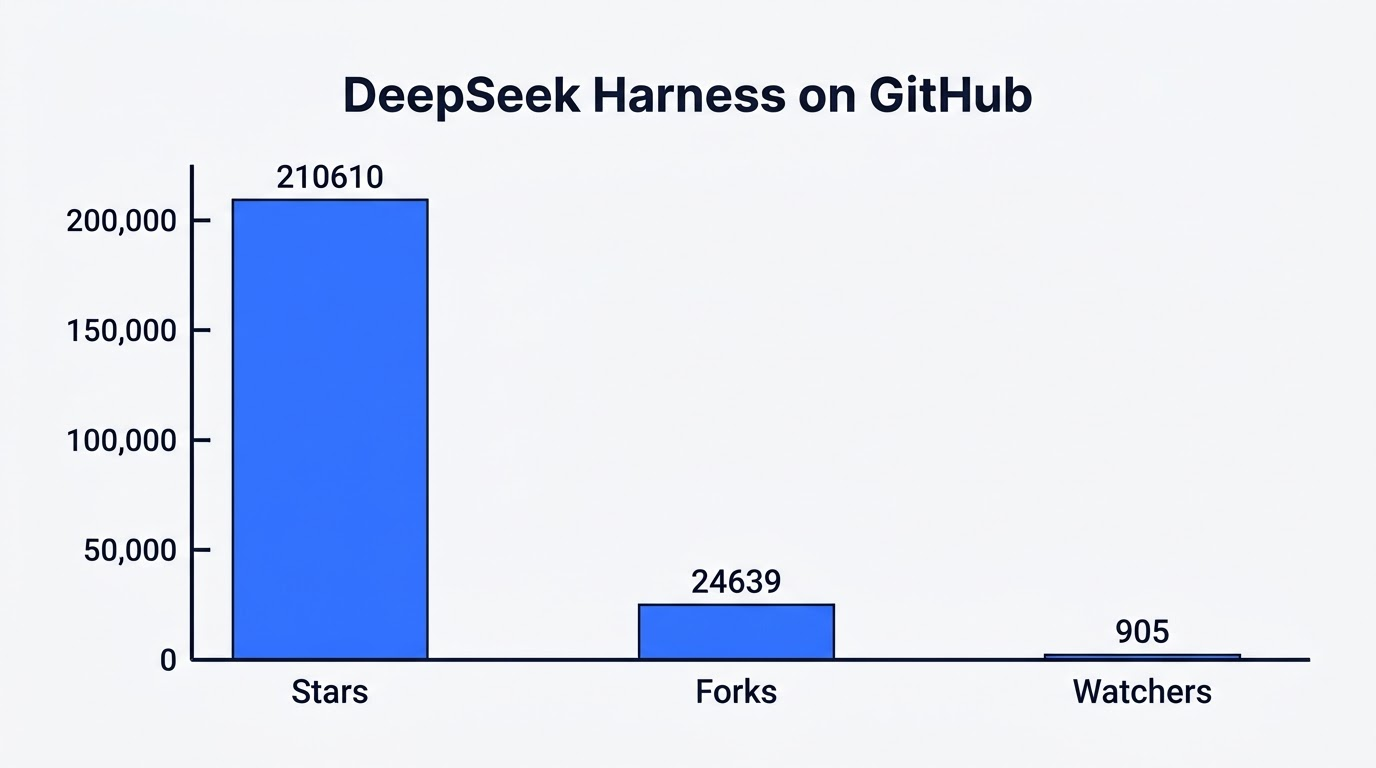
The results are checkable directly: as of 3 September 2026, the dsh repository on GitHub shows 210,610 stars and 24,639 forks.
Where to Look for Openings — Officially
The official channels
- Start at DeepSeek’s own careers portal,
talent.deepseek.com— the line reading “Agent Harness 团队 / 北京市 杭州市” links out from there. - That listing routes to Moka (
app.mokahr.com), the recruiting platform DeepSeek uses to process applications. - Check the official WeChat account, “DeepSeek Harness (工具框架),” registered 11 August 2026, for updates.
- Follow the company’s LinkedIn page for English-language postings.
- Follow @deepseek_ai on X for announcements tied to releases and hiring pushes.
- Cross-check anything found elsewhere against deepseek.com directly, since job listings change.
- Do not send resumes or applications to third-party guides, including this one — they are not forwarded anywhere.
To repeat the point plainly: DSH Field Guide is not a recruiting agency, does not maintain job listings, and does not accept or forward applications. Everything on this page is a summary of public statements as of the date it was written, the set of open roles changes, and the only source worth trusting for a current listing is DeepSeek’s own channel.